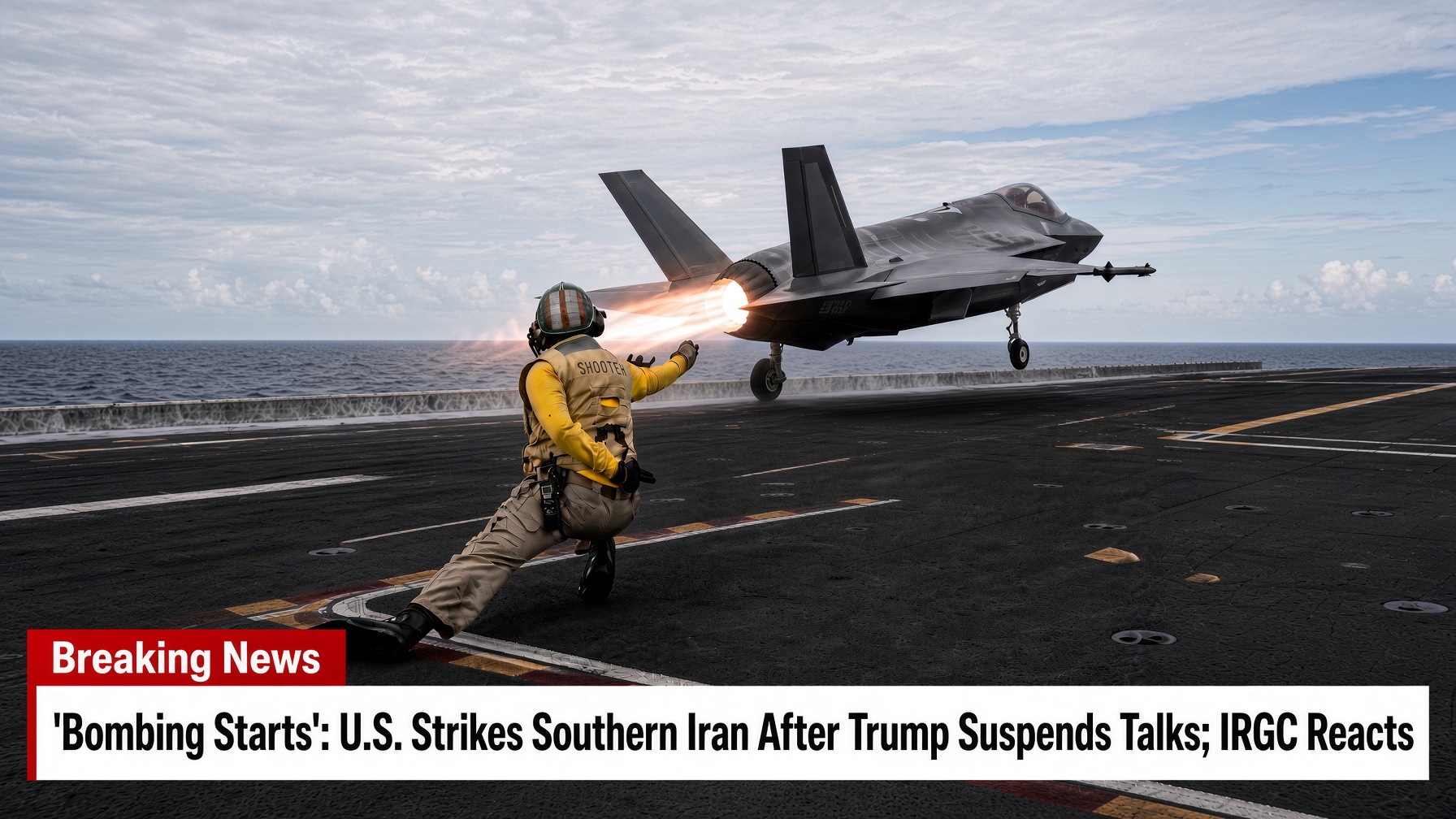
Tensions between Washington and Tehran are escalating after a reported U.S. airstrike targeted a radar installation and a military-related site in Bandar Sirik, in Iran’s southern Hormozgan Province, near the
strategically vital Strait of Hormuz. Iran’s Fars News Agency reported the strike, while separate reports suggest Tehran could retaliate by launching anti-ship cruise missiles at U.S. aircraft carriers.
Iran shot down a U.S. Army Apache helicopter over the Strait of Hormuz; both pilots were recovered safely
Iranian Foreign Minister responded with defiant rhetoric, demanding American forces leave the strategic waterway
Trump signaled the United States will respond decisively to Iran’s continued hostilities and rejection of diplomatic overtures
President Trump demonstrated restraint by ceasing major military operations against Iran in April, but Tehran’s latest attack on American forces signals the Islamic Republic has squandered repeated
opportunities for a negotiated settlement, according to officials familiar with the administration’s diplomatic efforts.
The Apache Strike and Trump’s Response
Iranian forces downed a U.S. Army Apache helicopter overnight while it patrolled international waters over the Strait of Hormuz. Both pilots were safely recovered from the incident.
Foreign forces in proximity to our territory are at constant risk on account of their own human errors, plain accidents, or potentially being caught in crossfire. To reduce risk, best solution is for them to leave. We prefer language of diplomacy but speak other languages too. pic.twitter.com/5DDgHAscBj — Seyed Abbas Araghchi (@araghchi) June 9, 2026
Foreign forces in proximity to our territory are at constant risk on account of their own human errors, plain accidents, or potentially being caught in crossfire.
To reduce risk, best solution is for them to leave.