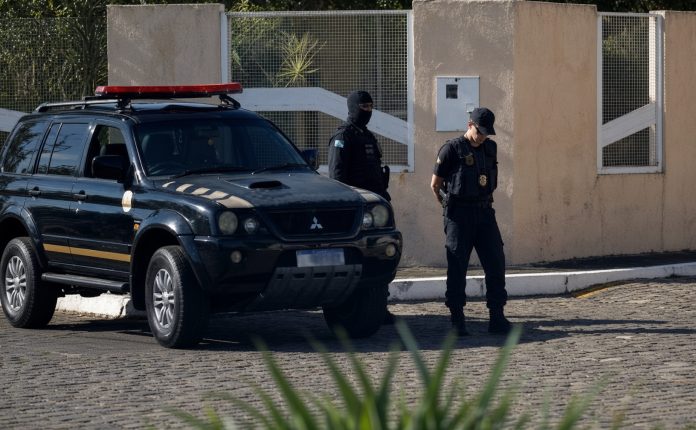
President Donald Trump has directed a significant expansion of federal law enforcement agencies operating in Washington, DC, citing public safety and crime reduction as primary objectives.
The administration framed the initiative as necessary to strengthen enforcement coordination and address violent crime in the nation’s capital. Federal agencies have increased their operational presence across the city under this directive.
What Happened
Trump’s administration expanded the footprint of federal law enforcement in DC, positioning the move as a comprehensive public safety strategy. The effort aims to enhance coordination among multiple federal agencies and reduce violent crime rates.
The expanded federal role represents a significant shift in how law enforcement operates within the District. Officials have outlined the coordination of resources as a key component of the initiative.
Community and Civil Rights Concerns
Civil rights organizations and community advocates have raised concerns about the expansion, questioning potential impacts on vulnerable populations. Some groups worry that heightened enforcement could heighten anxiety within immigrant communities and create oversight challenges.
Residents have expressed uncertainty about which agencies lead specific operations and how federal efforts coordinate with local DC authorities. Questions about accountability and the relationship between federal and local law enforcement remain unresolved for some community members.
DC’s Unique Governance Structure
The development has reignited debate over Washington’s distinctive constitutional arrangement, where Congress retains significant authority despite the city’s elected government. Governance experts note that federal involvement in DC has historically reflected broader tensions between public safety priorities and local home rule.
Legal observers point out that discussions about federal authority in the District encompass constitutional questions about appropriate divisions of power. These debates extend beyond crime statistics to include fundamental questions about governance.
Ongoing Monitoring and Civil Liberties
Federal agencies, local officials, and advocacy groups continue monitoring the operations’ effects on the community. The conversation has expanded to include civil liberties protections, constitutional authority, and effective law enforcement balance.
This story has been updated. CNN’s National Desk contributed to this report.