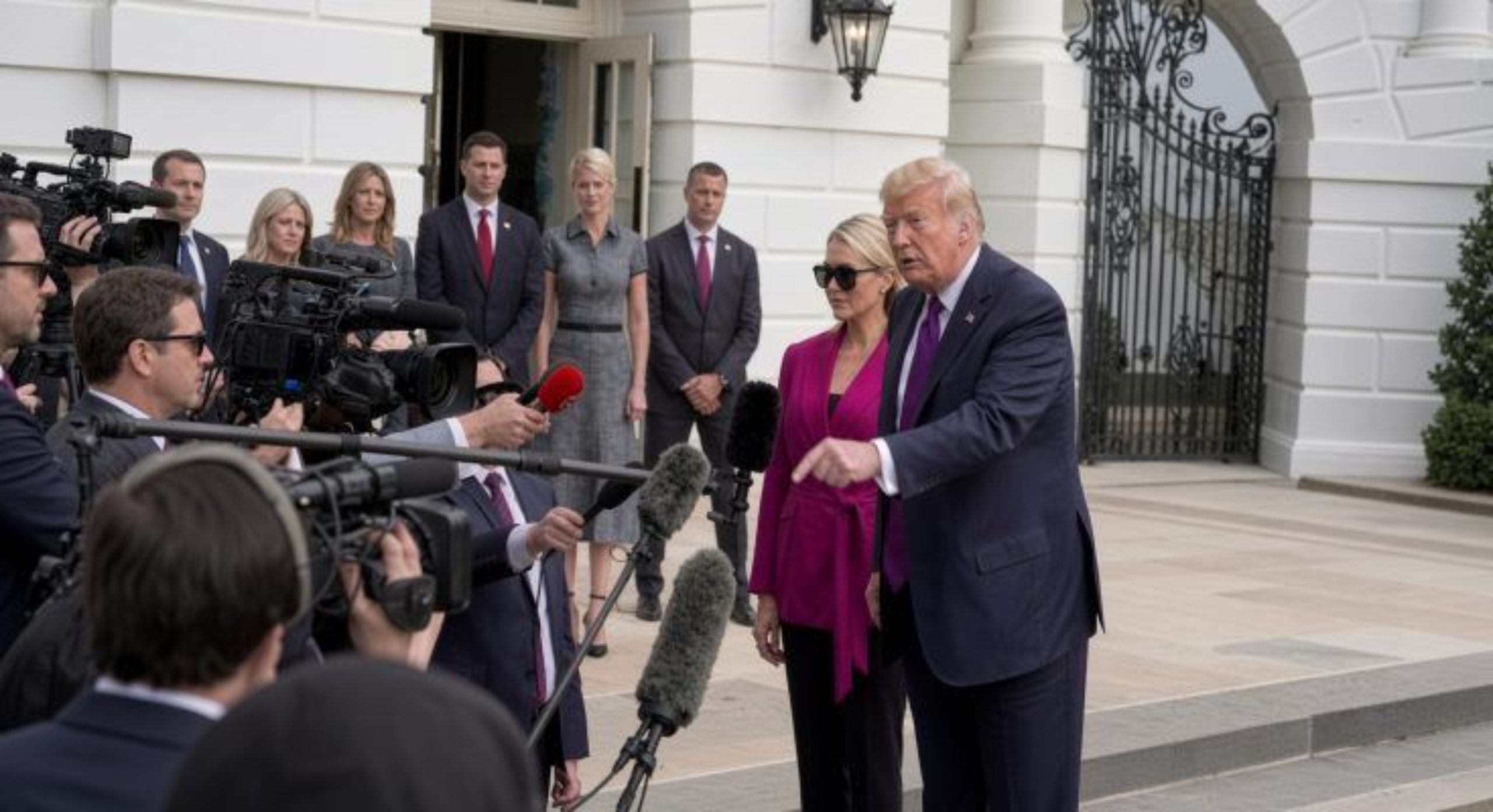
Former President Donald Trump became the first ex-president in U.S. history to face federal criminal charges related to his conduct after leaving office.
The Department of Justice indictment centers on alleged actions taken following the 2020 presidential election and the certification of its results. Prosecutors allege Trump engaged in communications with government officials, organized alternate slates of presidential electors in certain states, and sought to influence the certification of Electoral College votes during the January 6, 2021, Congressional session.
What the Charges Allege
The indictment accuses Trump of conduct that prosecutors say extended beyond protected political advocacy into criminal territory aimed at obstructing the constitutional election process. Multiple legal theories underpin the charges, according to court documents filed by federal prosecutors.
Trump has pleaded not guilty to all charges. “His actions constituted lawful political advocacy,” his legal team has argued, asserting that he exercised his rights to challenge election results through legal and political channels.
The Legal Landscape
The case raises unprecedented questions about presidential authority, the application of federal criminal law to former presidents, and constitutional protections for elected officials. Legal scholars have described the proceedings as among the most consequential criminal cases involving a former American president.
Following the 2020 election, Trump and his allies challenged results in multiple states through numerous lawsuits in state and federal courts. Courts generally rejected those challenges, while election officials from both parties found no evidence of fraud that would have altered the outcome.
The Reaction
The prosecution has generated sharply differing reactions across the political spectrum. Supporters argue it reflects the principle that all individuals face equal legal standards regardless of office, while critics contend it raises concerns about prosecuting a former president.
The case has sparked national debate regarding the justice system, constitutional governance, and the federal prosecutors’ role in such matters. These competing perspectives continue to shape public discourse around the litigation.
What Comes Next
The court will consider pretrial motions, evidentiary issues, constitutional questions, and witness testimony before any final resolution. The proceedings are expected to remain closely watched due to their legal significance and potential implications for future interpretations of presidential powers.
Whatever the outcome, the case represents a historic moment in American legal and political history. It has prompted renewed discussion about the balance between presidential authority, accountability under law, peaceful power transfers, and democratic resilience.
This story has been updated. CNN’s legal team contributed to this report.