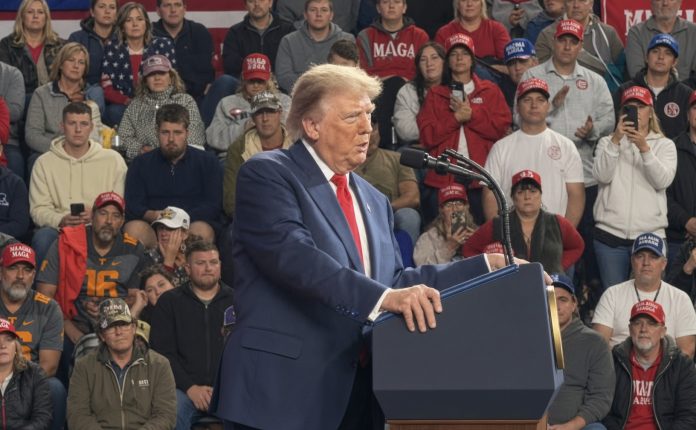
WASHINGTON — In an unscripted exchange that reverberated across the national media landscape, President Donald Trump used a surprise live appearance on CNN to reignite his long-running feud with the cable news network, declaring his intention to steer the broadcaster toward what he termed a “normal path.”
The unsolicited parting shot capped an unexpected telephone call-in to CNN’s flagship Sunday public affairs program, State of the Union, on July 12. Trump broke an extended, multi-year boycott of the network’s live broadcasts to deliver on-air reflections following the sudden death of U.S. Sen. Lindsey Graham, the influential South Carolina Republican and a vital legislative confidant to the White House.
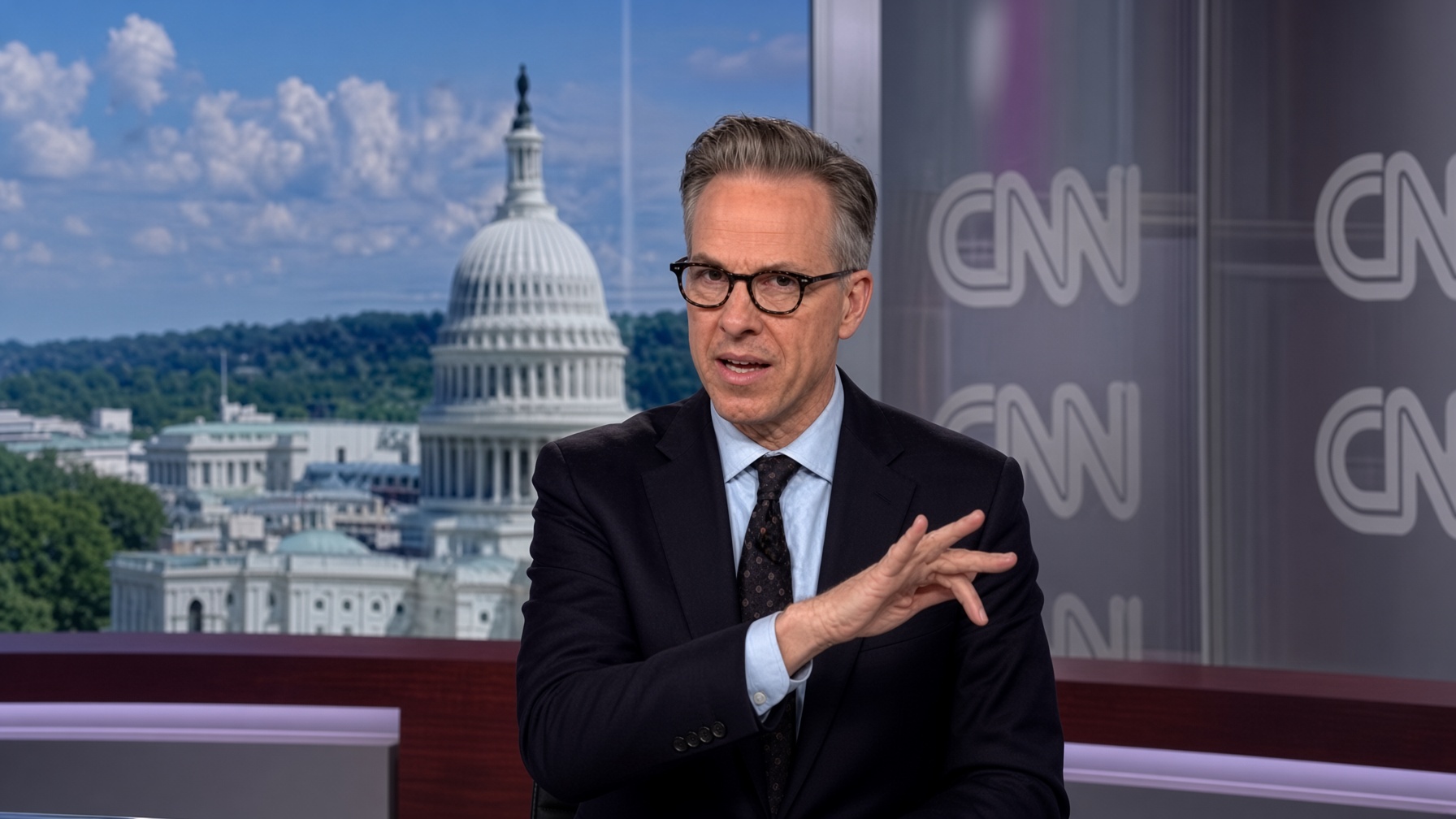
Anchor Jake Tapper kept the bulk of the dialogue focused on Graham’s legislative legacy, international defense footprint, and decades in the Senate chamber. When Tapper attempted to pivot toward pressing national security matters, including escalating military hostilities involving Iran, Trump declined to engage, stating he had phoned in solely to honor his late friend and ally.
As the segment wound down, Tapper extended a standard invitation for the president to return to the studio for a comprehensive, on-the-record sit-down interview.
“I will,” Trump replied. Before the host could transition to a commercial break, the president pivoted sharply to address CNN’s editorial philosophy.
“We’re trying to have CNN go on a normal path,” Trump said in an off-the-cuff yet deliberate sign-off. “And we will do that.”
Tapper immediately defended the network’s journalistic standards: “Well, I’m on a normal path right here, sir, and I appreciate your time.”
“Good. You are,” Trump answered before disconnecting.
The brief back-and-forth immediately drew intense scrutiny throughout Washington because it marked the first direct, live interaction between the president and the network in years. Since descending the golden escalator in 2015, Trump has maintained an aggressive posture toward CNN, branding the channel “fake news” and transforming its correspondents into symbols of institutional media hostility.
While the president’s remark lacked specific policy directives, technical parameters, or formal regulatory ultimatums, its ambiguity carried weight. Trump offered no definition of what constitutes an “abnormal” broadcast, nor did he outline administrative mechanisms through which the executive branch might intervene in private editorial decisions.
Media analysts noted that while the exchange stops well short of an overt regulatory threat, it highlighted the president’s enduring conviction that legacy broadcast operations exhibit systemic bias against his political movement—and that the White House has a legitimate interest in pressuring corporate newsrooms.
The timing of Trump’s comment lands during a period of acute structural volatility for the 46-year-old network. CNN’s corporate parent, Warner Bros. Discovery, is in the final stages of a historic corporate consolidation set to redraw the American media landscape.
The Department of Justice’s Antitrust Division confirmed in June that it had granted antitrust clearance to Paramount Skydance’s proposed $110 billion acquisition of Warner Bros. Discovery, concluding that the combined entertainment behemoth would not breach federal anti-monopoly statutes. If the transaction clears remaining regulatory hurdles, the merger will place two venerable newsrooms—CNN and CBS News—under a single corporate umbrella.
The impending consolidation has drawn sharp scrutiny from press-freedom organizations, media labor unions, and communications regulators concerned about newsroom autonomy, workforce reductions, and corporate influence. To mitigate public-interest challenges, Paramount Skydance leadership agreed to establish an independent, five-member editorial review board charged with protecting editorial independence across both news operations.
Yet First Amendment scholars and media watchdogs remain skeptical. Many question whether a corporate-appointed oversight panel can effectively insulate reporters from commercial and political pressure, particularly when confronting an administration that routinely challenges broadcast licenses and corporate mergers involving critical media companies.
The Sunday broadcast underscored the symbiotic, adversarial dynamic between Trump and the cable network. Even while utilizing grievance against CNN to rally his political base, Trump chose the network’s airwaves to eulogize a key ally. CNN, meanwhile, balanced its journalistic imperative to cover the sitting commander-in-chief with the editorial risks inherent in hosting an unpredictable figure who continually attacks its institutional integrity.
As CNN navigates massive corporate upheaval and ownership shifts, the exchange served as a clear warning: the network’s news coverage will continue to face intense pressure from a White House determined to shape how political journalism is conducted.